
Influence for the feed: Robert Cialdini's six principles of persuasion, applied to content in Muscat

Why does one Instagram ad in Muscat get a flood of WhatsApp messages while a nearly identical one gets silence? Often it isn’t the camera, the music or the budget. It’s whether the content gives people a good reason to say yes.
That’s the subject of Influence: The Psychology of Persuasion (1984) by Robert B. Cialdini, a psychology professor who spent years studying, and even going undercover with, salespeople, fundraisers and advertisers. His conclusion: we’re too busy to think through every decision, so we rely on a handful of mental shortcuts. Most of the time they serve us well. Brands that understand them communicate more clearly; brands that abuse them lose trust fast.
Cialdini names six principles. Here’s our short version, and how we use each one in content production for brands in Oman.
1. Reciprocity: give first
People feel obliged to return a favour, even a small one nobody asked for. Cialdini shows how a free sample in a supermarket or a small gift before a request makes people far more willing to respond.
In content, the gift is useful information. A clinic that explains, in 30 seconds, what really affects teeth-whitening results. A car-care shop that shows how to spot a bad car wash. When your feed genuinely helps people, a "message us" at the end feels like a fair next step, not a demand.
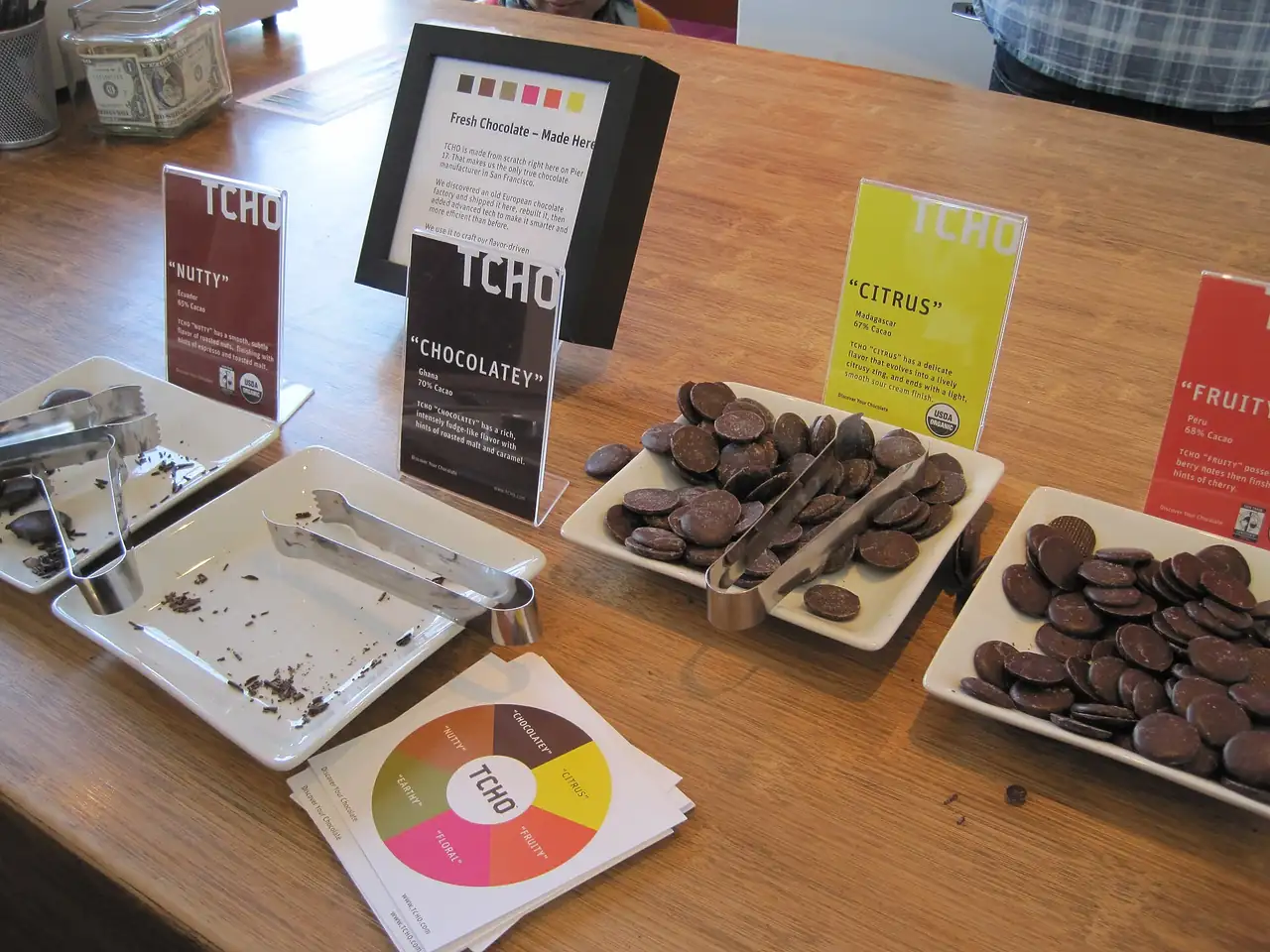
The same goes for offers. A free consultation, a free trial session or a free analysis isn’t just a discount; it’s a gift that starts the relationship.
2. Commitment and consistency: start with a small yes
Once people take a small step, they like to stay consistent with it. Cialdini describes how a minor first commitment, especially an active, public one, makes a bigger later request feel natural.
So don’t ask a cold viewer to book a package. Ask for something tiny: vote in a story poll, save the post, comment one word, send "hi" on WhatsApp. In Meta ads, a low-friction first step (a short form, a quiz, a free guide) often works better than "buy now", and gives you a warm audience to talk to next.
3. Social proof: show people like them
When we’re unsure, we look at what others are doing. Cialdini stresses two details: social proof is strongest when people feel uncertain, and when the others look similar to them.

That’s why a real customer from Muscat explaining their experience on camera usually beats a polished brand claim. Film real reviews (with permission), show the busy Friday evening, share the messages customers send you. And make sure the people on screen look like the people you want to reach: a young professional, a family, a business owner.
4. Liking: be someone people want to say yes to
We say yes more easily to people we like. Cialdini points to similarity, sincere compliments, familiarity and positive associations as the things that build it.
For brands, this is the case for showing faces. The owner explaining why she started, the barista who remembers regulars, the team laughing during a shoot. Behind-the-scenes content and a consistent presenter make a brand feel like people, not a logo. Familiarity grows with repetition, which is one more reason to post regularly.
5. Authority: let expertise show
People tend to follow credible experts. Cialdini also warns how easily we react to mere symbols of authority, like titles or uniforms, which is exactly why real expertise should be shown, not just claimed.
Instead of "we’re the best", let the dentist explain a procedure, let the chef talk through why the dough rests for two days, let the installer show the detail most competitors skip. Mention genuine qualifications, years of experience and well-known clients only when they’re true.
6. Scarcity: real limits, honestly
Things seem more valuable when they’re rare or running out. Cialdini describes research in which the same cookies were rated more desirable when they came from a jar holding only a few.

Use it with care. A seasonal menu that genuinely ends this month, ten workshop seats, a date harvest that sells out every year: say so clearly in your reels and ads. A fake countdown that resets every week does the opposite; people notice, and trust disappears.
The honest rule
Cialdini’s own message is that these principles should be used truthfully: point out what is genuinely there rather than manufacture it. That’s also the smart business choice in a market like Muscat, where word of mouth travels fast.
A quick checklist before you post
- Does this post give something useful before it asks?
- Is the first step small and easy?
- Are there real customers who look like my audience?
- Is there a real face people can get to know?
- Is the expertise shown, not just claimed?
- Is any limit or deadline true?
Want to see which of these your Instagram is missing? Ask us for a free Instagram analysis. We’ll send you a short, honest report on WhatsApp.
Summary and commentary by the NoOr team, based on Robert B. Cialdini’s book Influence: The Psychology of Persuasion (1984). Ideas are paraphrased, not quoted.
More from the Journal

Made to Stick for the feed: the Heath brothers' six principles, applied to content in Muscat
A short, practical summary of Chip and Dan Heath's Made to Stick, turned into video, Instagram and Meta ads techniques for brands in Muscat, Oman.
Read article →
Ogilvy for the scroll: David Ogilvy's advertising rules, applied to content in Muscat
A short, practical summary of David Ogilvy's Ogilvy on Advertising, turned into content production, Instagram and Meta ads techniques for brands in Muscat, Oman.
Read article →