
Positioning: Ries and Trout's battle for the mind, turned into a content plan for brands in Muscat

Scroll through any Instagram feed in Muscat and you’ll see the same thing again and again: ten cafés, ten clinics, ten perfume brands, all saying "quality", "passion" and "the best service". Nobody remembers any of them.
Al Ries and Jack Trout saw this problem decades before Instagram. Their book Positioning: The Battle for Your Mind (1981) grew out of articles they wrote for the trade press in the early 1970s, and it gave marketing one of its most used words. Their central idea is simple: positioning is not what you do to a product. It’s what you do to the mind of the person you want to reach.
Here’s our short version, and how it shapes the content we plan for brands in Oman.
1. The mind is a crowded shelf
Ries and Trout describe ours as an over-communicated society. People are hit with so many messages that the mind defends itself: it accepts only what fits with what it already knows and ignores the rest. So the job isn’t to shout louder, but to find a message simple enough to get through.
For a brand on social media, this means one idea per video, one promise per ad, and a first frame that makes the point before the thumb moves on. If your reel needs a long caption to make sense, it’s probably too complicated for a busy feed.
2. Be first, or make a new category
The authors argue that the easiest way into the mind is to get there first. People tend to remember the first brand in a category and struggle to remember the second, even when the second is better.
That doesn’t mean you need to invent a whole industry. It means picking a category narrow enough to lead. Not "a restaurant in Muscat", but "the late-night breakfast place in Al Khuwair". Not "a dental clinic", but "the clinic for nervous patients". Once you choose the category, your content gets much easier to plan, because every post has one job: prove you own it.

3. Look for the hole
Ries and Trout use a French phrase, cherchez le créneau: look for the hole. Instead of competing where everyone else stands, find the gap nobody has claimed, whether that’s size, price, time of day, audience or occasion.
Try this before your next content shoot. Draw a simple grid of your competitors in Oman, for example premium versus affordable and traditional versus modern. Put each brand where its Instagram makes it look, not where it says it is. The empty corner is often your best positioning, and your visual style, tone and Meta ads targeting should all point toward it.
4. Don’t ignore the leader
One of the book’s best-known examples is Avis, the car-rental company that openly admitted it was number two and promised to try harder. Ries and Trout use it to show that you can position yourself in relation to a leader, as long as you’re honest about it.
Smaller brands in Muscat can do the same. If a big name owns your category, don’t pretend it doesn’t exist. Be clearly different in one way people care about: more personal, faster, more local, more specialised. Then show that difference on camera, in real moments, not in slogans.
5. A name is a positioning decision
The authors spend a lot of time on names. A good name, in their view, tells people what the product is or does and is easy to remember. They also warn against line extension: stretching one strong name over too many different products until it stands for nothing.
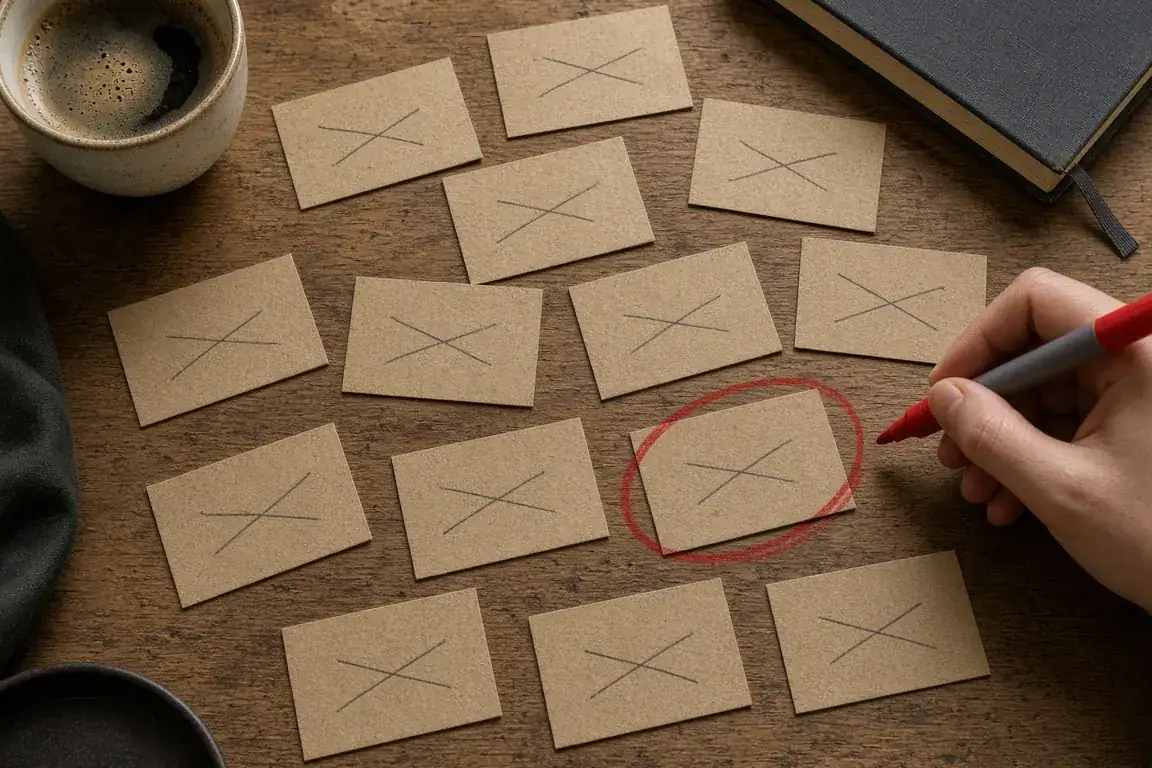
For content, the same logic applies to your Instagram handle, campaign names and series titles. A recurring series with a short, clear name is easier to remember than random posts. And if one account tries to sell everything to everyone, consider separate series, or even separate pages, for very different audiences.
6. Keep the message oversimplified
Ries and Trout recommend an oversimplified message: sharpen it, cut away everything that doesn’t help, and repeat it consistently. Changing your message every month confuses the mind you’re trying to win.
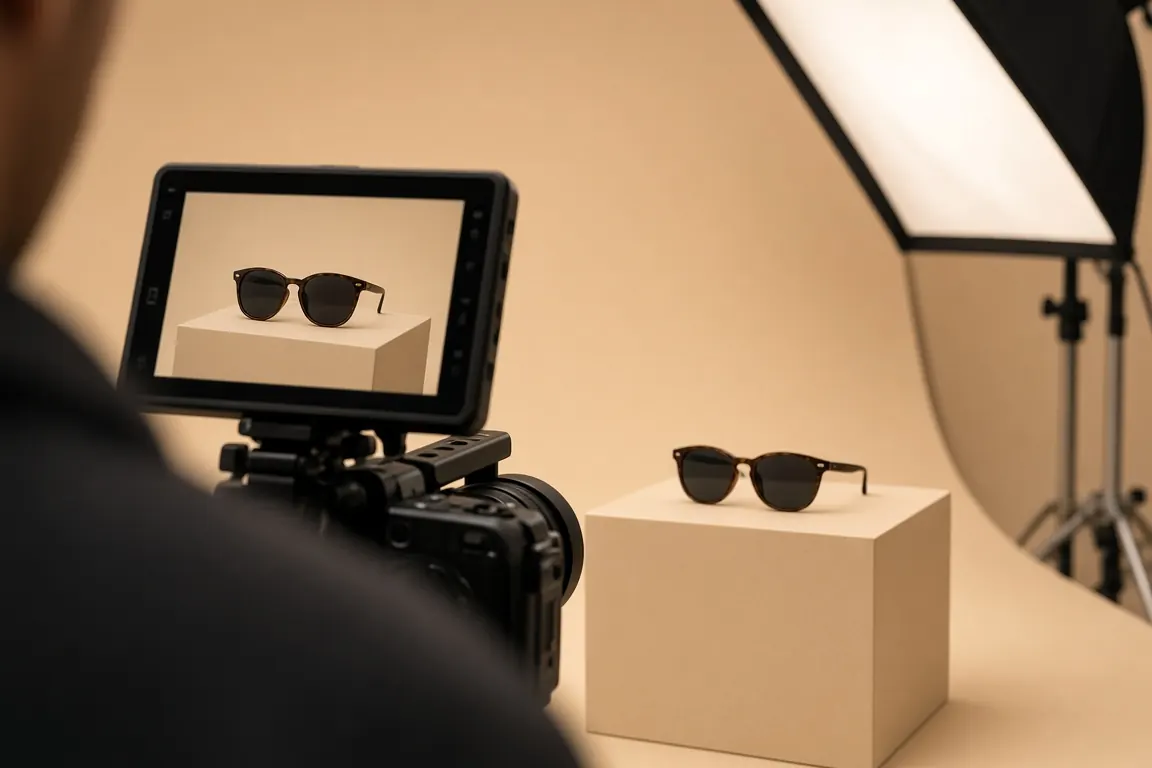
In practice, write your position as one short sentence and put it at the top of every brief, shot list and ad. If a video idea doesn’t support that sentence, save it for another time.
A quick positioning check for next week
- Write down the category you want to lead, as narrowly as you can.
- Map five competitors in Oman on a simple grid and find the empty corner.
- Rewrite your Instagram bio around that one position.
- Plan three reels that each prove it in a real moment.
- Use the same sentence in your next Meta ads campaign.
Not sure how your Instagram is positioned today? Ask us for a free Instagram analysis and we’ll send you a short, honest report on WhatsApp.
Summary and commentary by the NoOr team, based on Al Ries and Jack Trout’s book Positioning: The Battle for Your Mind (1981). Ideas are paraphrased, not quoted.
More from the Journal
Steal like an artist: Austin Kleon's 10 creative rules, turned into a content routine for brands in Muscat
A short, practical summary of Austin Kleon's Steal Like an Artist, turned into Instagram, video and Meta ads habits for brands in Muscat, Oman.
Read article →
Why some posts spread: Jonah Berger's Contagious, turned into shareable content for brands in Muscat
A short, practical summary of Jonah Berger's Contagious and its six STEPPS, turned into Instagram, video and Meta ads ideas for brands in Muscat, Oman.
Read article →