
Steal like an artist: Austin Kleon's 10 creative rules, turned into a content routine for brands in Muscat
Every brand in Muscat hits the same wall sooner or later: the calendar says "post today", and nobody has an idea. Austin Kleon, a writer and artist based in Texas, wrote a small, fast book about exactly that feeling.
Steal Like an Artist: 10 Things Nobody Told You About Being Creative (2012) started as a talk to students and became a bestseller. His main point is reassuring: nothing is completely original, so stop waiting for a perfect idea. Creative work is built from the work you love, collected, studied and turned into something new.
Here’s our short version, and how we use it when producing content for brands in Oman.
1. Steal from many, not from one
Kleon draws a clear line between good theft and bad theft. Good theft means studying, giving credit, borrowing from many sources and transforming what you take. Bad theft means skimming, copying one source and passing it off as your own.
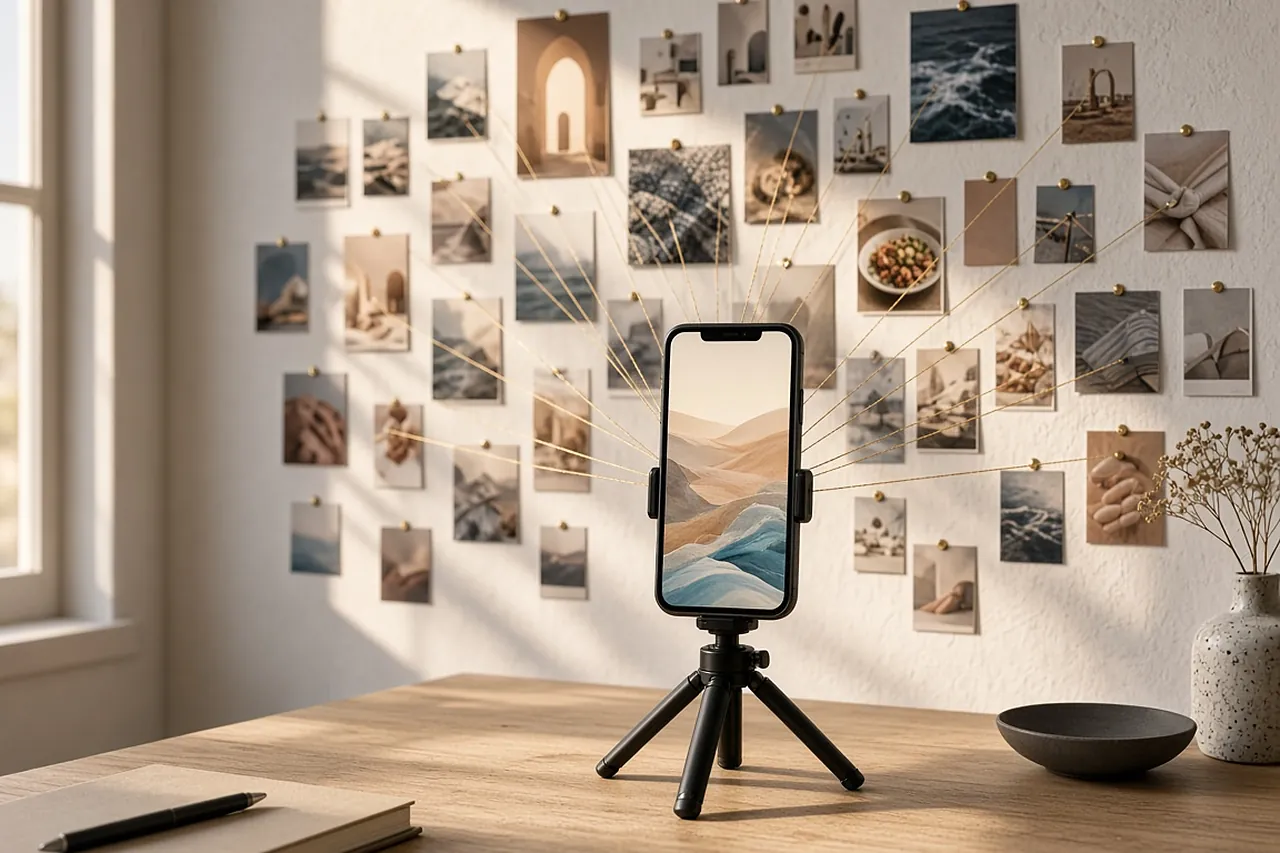
For a brand, this is a swipe file: a shared folder of reels, ads, shop windows, menus and packaging that caught your eye, from any country and any industry. When you plan a shoot, don’t copy one viral video. Take the hook from a fashion reel, the pacing from a cooking channel and the colour from a hotel ad, then mix them into something that only your brand could post.
2. Don’t wait until you know who you are
Many businesses delay their Instagram until the "brand voice" is perfect. Kleon’s advice runs the other way: you find out who you are by doing the work. He suggests starting by copying your heroes as practice, because your own style shows up in the places where you fail to copy them exactly.
So post the first ten videos. Watch what your audience in Muscat actually saves and shares. Your voice is easier to find in real results than in a meeting room.
3. Use your hands, and keep side projects
Kleon warns that working only on a screen can make ideas feel flat. He likes to move between an analogue desk, for sketching and thinking, and a digital desk, for finishing. He also defends side projects and hobbies, because they are often where fresh ideas come from.
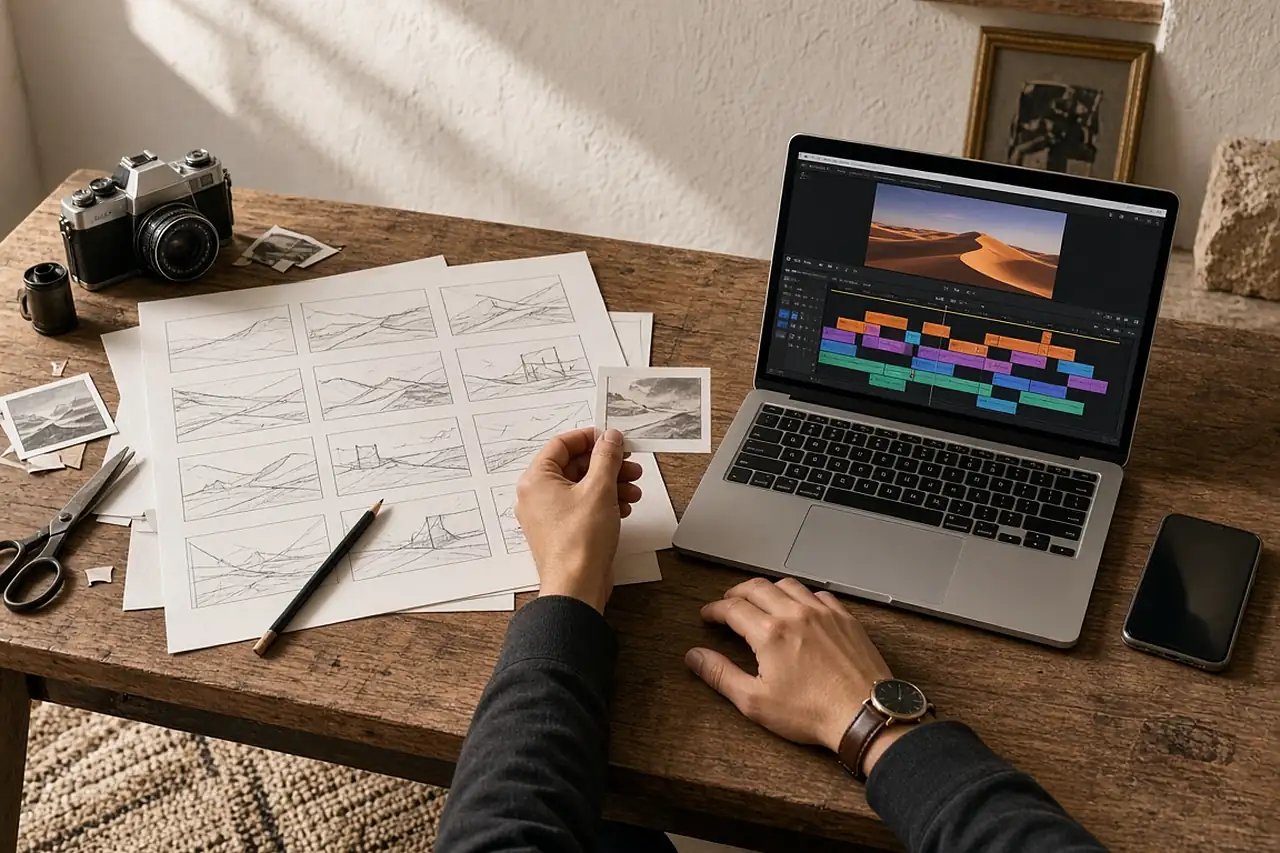
In content production, this means sketching shot lists on paper before opening the editing app, and filming hands at work: a tailor cutting fabric, a chef plating, a jeweller setting a stone. Close-ups of real craft are some of the most watchable videos a local business can make.
4. Do good work and share it
Kleon’s "secret" is simple: do good work, then put it where people can see it. Share your process, not just finished products, and give people something useful along the way.
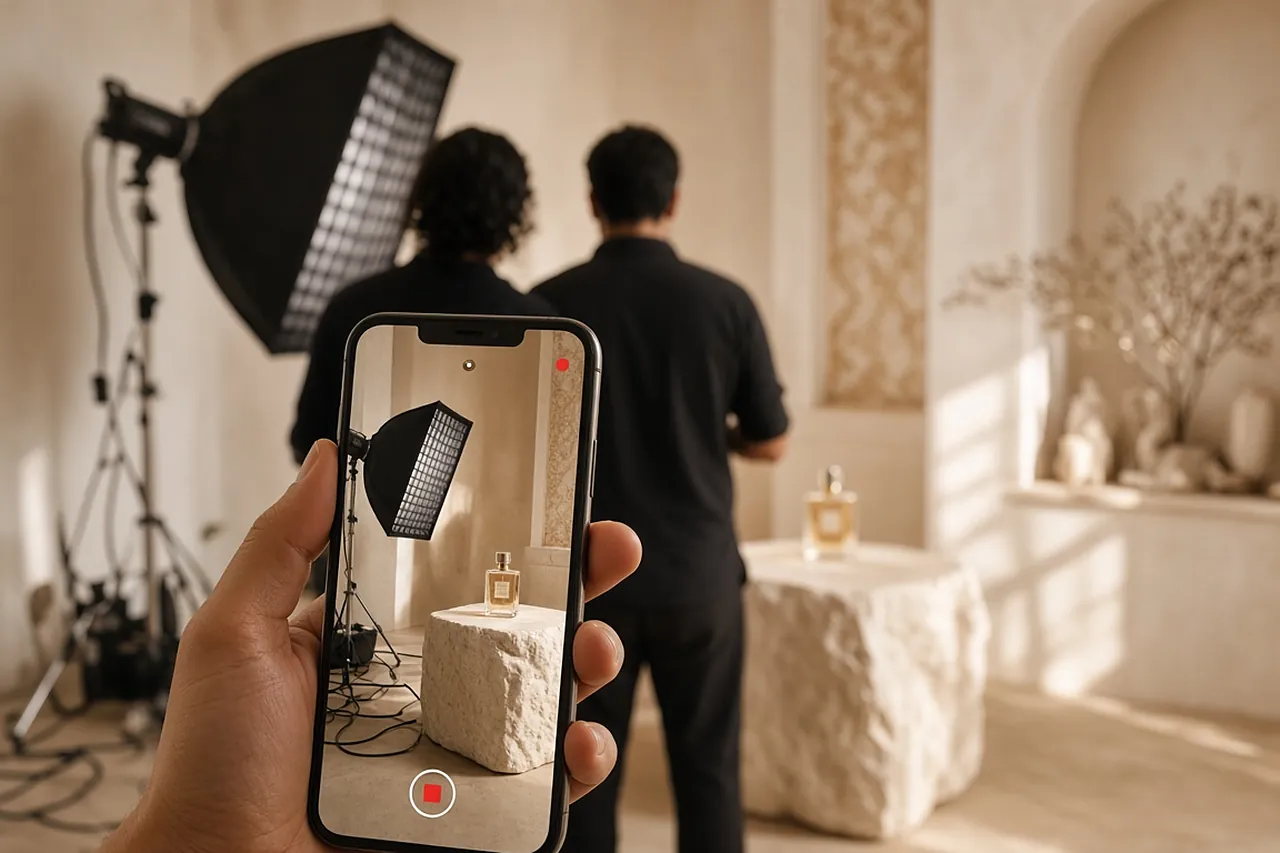
For brands in Oman, behind-the-scenes content is an easy win. Show the prep before a launch, the test shots before the final photo, the team solving a small problem. Process builds trust, and when people already feel they know you, your Meta ads have less convincing to do.
5. Geography isn’t your master, and be nice
Kleon notes that the internet lets you learn from and connect with people anywhere, while you build a small community around you. He adds that the world is a small town, so be generous: praise others’ work and say thank you in public.
In Muscat, that small-town effect is real. Collaborate with neighbouring brands, credit the creators and photographers you work with, and reply to comments like a person, not a press release.
6. Be boring, and subtract
The least glamorous chapter may be the most useful. Kleon argues that creative people need a dull, steady routine to get anything done: keep a simple schedule, track your work on a calendar and protect your time and energy. He closes with the idea that creativity is subtraction: choosing what to leave out, and using limits to push you forward.
That’s a content calendar. Pick two or three formats you can repeat every week, limit each video to one idea and one message, and batch-film them in one shoot day. Constraints like "under 30 seconds, one location, no music change" often produce sharper reels than an open brief.
A quick routine for next week
- Start a shared swipe file and add five references from outside your industry.
- Remix two of them into one test reel for your brand.
- Film one "hands at work" moment from your business.
- Post one behind-the-scenes clip showing your process.
- Set a fixed weekly posting rhythm and stick to it for a month.
Want to know where your Instagram stands before you start? Ask us for a free Instagram analysis and we’ll send you a short, honest report on WhatsApp.
Summary and commentary by the NoOr team, based on Austin Kleon’s book Steal Like an Artist: 10 Things Nobody Told You About Being Creative (2012). Ideas are paraphrased, not quoted.
More from the Journal

Why some posts spread: Jonah Berger's Contagious, turned into shareable content for brands in Muscat
A short, practical summary of Jonah Berger's Contagious and its six STEPPS, turned into Instagram, video and Meta ads ideas for brands in Muscat, Oman.
Read article →
Influence for the feed: Robert Cialdini's six principles of persuasion, applied to content in Muscat
A short, practical summary of Robert Cialdini's Influence, turned into honest video, Instagram and Meta ads techniques for brands in Muscat, Oman.
Read article →