
A Whack on the Side of the Head: Roger von Oech's 10 mental locks, unlocked for brand content in Muscat
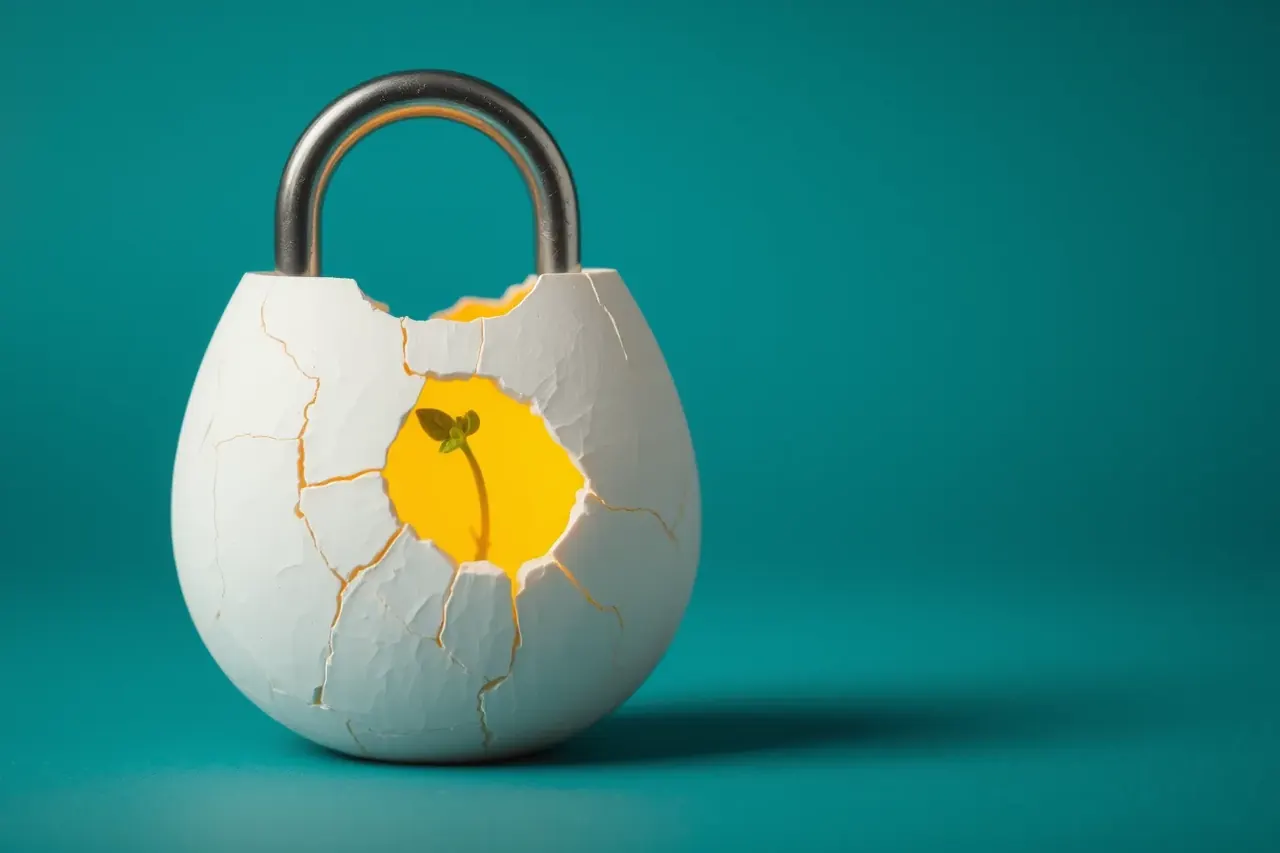
Every content team in Muscat knows the feeling: the brief is clear, the deadline is close, and every idea on the table looks like something you have already seen on three other Instagram accounts this week. Roger von Oech, an American creativity consultant who ran workshops for large companies, wrote a cheerful little book for exactly that moment: A Whack on the Side of the Head: How You Can Be More Creative (first published in 1983).
His argument is simple. Most of us are not short of creativity. We are stuck behind habits of thought that were useful at school and at work, but that block new ideas. He calls them mental locks, and the "whack" is anything that jolts you out of them: a strange question, a problem, a joke, a new angle.
Here are the ten locks from the book, and how a brand in Oman can break each one in its social media content.
1. "The right answer"
School trains us to find one correct answer. Creative work rarely has just one. Von Oech’s advice is to keep looking for the second right answer, because the first one is usually the obvious one.
For a Reel about a new menu item, the first right answer is a slow close-up of the dish. The second might be the chef’s hands telling the story of one ingredient, or a regular customer guessing what is in it. Write at least five hooks before choosing one.

2. "That’s not logical"
Logic is essential for checking ideas, but von Oech warns against using it too early. In the imaginative phase, soft thinking (metaphors, dreams, "what if?") gives you raw material. Hard, logical thinking comes later, to choose and refine.
Try a "what if" round in your next planning session: what if our product could talk? What if our shop opened at midnight? Most answers will be useless; one may become your best-performing post of the month.
3. "Follow the rules"
Every category has unwritten rules. Real estate videos are drone shots. Clinic content is white coats and smiling staff. Von Oech suggests occasionally "slaying sacred cows": listing the rules of your field and asking which ones you could break. Breaking one rule, with purpose, is often enough to stand out in a crowded feed.
4. "Be practical"
Practical people kill ideas before they have a chance to grow. Von Oech recommends treating a wild idea as a stepping stone: ask what is interesting about it, then work back towards something you can actually shoot.
"A billboard on the moon" is not practical. "A tiny product placed in a huge, unexpected setting", shot on a Muscat beach, is.
5. "Play is frivolous"
According to von Oech, many good ideas come when people are relaxed and playing. A team that is afraid to look silly will only produce safe, forgettable content.

Build play into your process: a ten-minute warm-up where the team pitches the worst possible ad for your brand. It breaks the tension, and the reversed ideas often point straight to good ones.
6. "That’s not my area"
Specialists tend to look only inside their field. Von Oech encourages "hunting" for ideas in other areas and adapting them. A furniture brand can learn pacing from cooking videos; a gym can borrow a format from travel vloggers. Keep a swipe file of formats from outside your industry.
7. "Avoid ambiguity"
Clear instructions matter on shoot day, but in the idea stage some ambiguity is useful: an open question invites more interpretations. Give your team prompts like "show freshness without showing food" and see what comes back.
8. "Don’t be foolish"
Conformity feels safe. Von Oech points to the role of the fool, the person who says the thing no one else dares to say and turns assumptions upside down. In a brainstorm, assign one person to argue the opposite of the obvious: "What if our ad told people not to buy?"
9. "To err is wrong"
Fear of mistakes kills experiments. Von Oech treats errors as useful signals that you are trying something new, and as a source of new directions.

On social media this is easy to practise: test two or three versions of a hook, of a thumbnail, or of a Meta ad creative. The "failed" versions tell you what your audience in Oman does not respond to, which is valuable data.
10. "I’m not creative"
The last lock is the most damaging. Von Oech observes that people who believe they are creative tend to pay attention to their small ideas and develop them; people who believe they are not, ignore them. For brands, this means anyone on the team can contribute: the sales rep, the receptionist, the owner.
A weekly "whack" routine for your content
- Monday: list the rules of your category and pick one to break this week.
- Tuesday: write five hooks for each post; go with the second or third, not the first.
- Wednesday: a ten-minute "worst idea" warm-up before planning.
- Thursday: shoot one safe version and one experimental version.
- Weekend: compare results, keep what worked, note what you learned from what did not.
Von Oech’s lesson is that creativity is less about talent and more about permission. Give your team that permission and your feed stops looking like everyone else’s.
Summary and commentary by the NoOr team, based on Roger von Oech’s book A Whack on the Side of the Head: How You Can Be More Creative (1983). Ideas are paraphrased, not quoted.
More from the Journal

Lovemarks: Kevin Roberts on making a brand loved, not just respected, applied to social media in Muscat
Kevin Roberts' Lovemarks (2004) turned into practical content ideas, mystery, sensuality and intimacy, for Instagram, Reels and Meta ads for brands in Muscat.
Read article →
The Creative Habit: Twyla Tharp's routines for brands that need fresh content every week in Muscat
Twyla Tharp's The Creative Habit (2003) turned into simple routines for steady Instagram content, Reels and social media production for brands in Muscat.
Read article →