
Creativity, Inc.: Ed Catmull's Pixar lessons for content production in Muscat
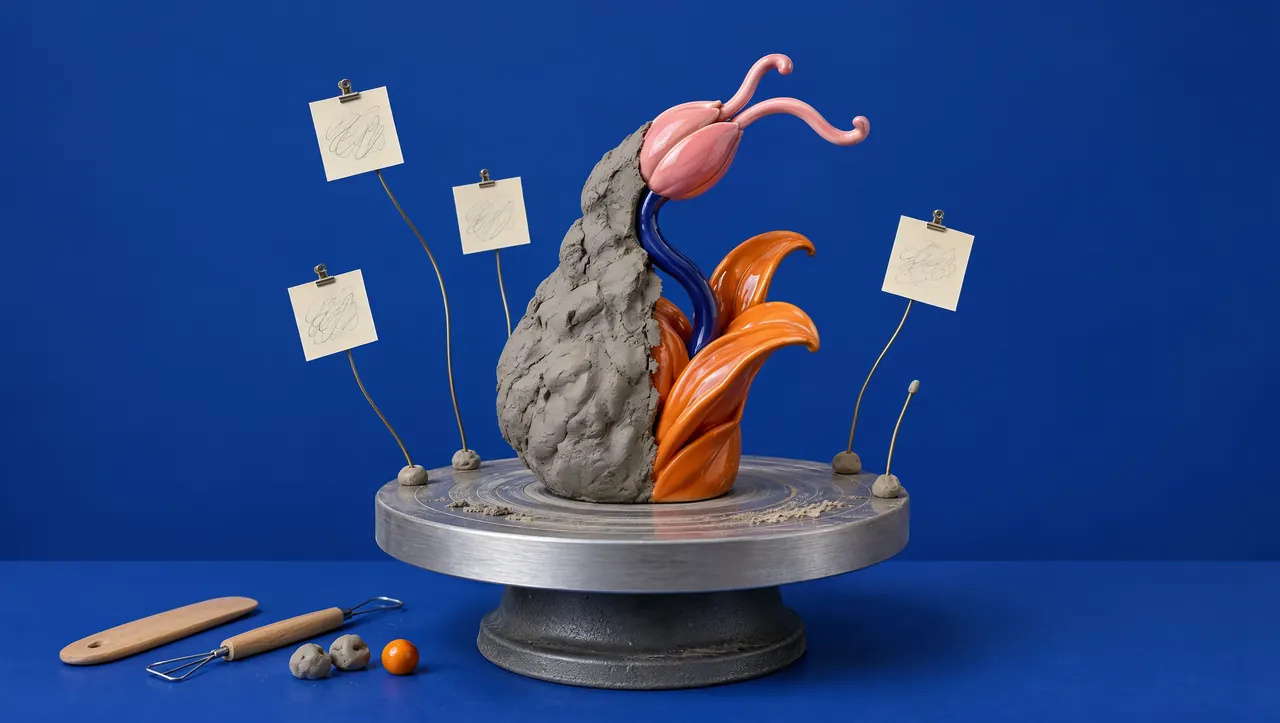
Every brand wants content that feels fresh. Few want to sit through the messy part that comes before it. Ed Catmull’s Creativity, Inc.: Overcoming the Unseen Forces That Stand in the Way of True Inspiration (2014, written with Amy Wallace) is about exactly that messy part.
Catmull co-founded Pixar and later also led Walt Disney Animation Studios. His book is about how to build a place where people keep making original work year after year without playing it safe. Swap "feature film" for "Reel", "campaign" or "brand video", and almost every chapter applies to a content team in Muscat.
1. Expect the first version to be bad
One of Catmull’s best-known points is that Pixar’s films are weak in their early versions. The story doesn’t work, characters are flat, the ending falls apart. What makes the final film good is the long process of finding and fixing those problems.
He calls new ideas "ugly babies": awkward, unfinished and easy to dismiss. That is normal, not a sign of failure.
For brand content this changes how you plan:
- Build revision time into every schedule. If a Reel is due on Thursday, the first cut should exist on Monday, not Wednesday night.
- Separate "draft" from "final" clearly so clients and managers judge a draft as a draft.
2. Build your own Braintrust
At Pixar, a small group of experienced storytellers met regularly to watch films in progress and give candid notes. Catmull calls it the Braintrust. Two rules made it work: the feedback was about the film, not the person, and the group had no power to force changes. The director decided what to do with the notes.

A content team can copy this in a single afternoon:
- Pick three or four people whose taste you trust: an editor, a strategist, someone from sales who talks to customers.
- Show them the script or rough cut, not a polished final.
- Ask for specific notes: "I lost interest at second 8", not "make it pop".
- Let the person who owns the piece decide which notes to act on.
Catmull stresses candor: a good session makes honesty feel safe and normal.
3. Protect the new from the Hungry Beast
Catmull describes a tension inside every creative company. On one side is the "Hungry Beast": the production machine that always needs feeding with the next deadline and the next deliverable. On the other side are the ugly babies, the fragile new ideas that need time.

On Instagram, the content calendar is the Hungry Beast. It wants three posts a week whether or not anyone has a good idea. Left alone, it pushes teams to repeat whatever worked last month.
Practical ways to protect the new:
- Reserve one slot a month for an experiment: a new format, a new series, a new hook style. Judge it on what you learn, not only on views, and test the winners with a small Meta ads budget.
- Pitch rough ideas in a small group first, before they reach the client or the boss.
- Keep a parking list of unfinished ideas instead of killing them in the first meeting.
4. Show unfinished work every day
Pixar animators showed their work-in-progress in daily review sessions, called dailies. Catmull explains the point: once people get over the embarrassment of showing incomplete work, problems surface early and everyone learns from each other.

For a brand shoot in Muscat, a mini "dailies" routine could look like this:
- Share the storyboard or shot list in the team chat before the shoot day.
- Send three rough selects the same evening, before full editing starts.
- Review a rough cut with the client while changes are still cheap.
5. People before ideas
Perhaps Catmull’s central argument is that a good team matters more than a good idea. Give a strong idea to a weak team and they’ll lose it. Give an average idea to a strong team and they will find a way to improve it, or come up with something better. So invest in people: clear roles, trust and the freedom to say "this isn’t working yet".
A Pixar-style content workflow for brands in Muscat
- Brief in one sentence: who it’s for and what it should make them feel or do.
- Ugly first draft of the script or storyboard within 48 hours.
- Braintrust review with 3–4 people: specific notes, the owner decides.
- Shoot with dailies: rough selects shared the same day.
- Rough-cut review before colour, music and subtitles (English and Arabic).
- Post-mortem after publishing: what worked, what to change next time.
Why this matters
Original content rarely comes from one brilliant moment. It comes from a process that makes it safe to be rough, honest and curious. Catmull’s lesson for brands is to stop expecting perfect first drafts and start building the habits that turn ugly babies into work people remember.
At NoOr, we like to build review loops like this into content production in Muscat. If you’d like to see where your current Instagram content could improve, start with our free Instagram analysis.
More from the Journal

Perennial Seller: Ryan Holiday's guide to content that lasts, applied to brands in Muscat
Ryan Holiday's Perennial Seller (2017) turned into practical techniques for evergreen Reels, Instagram content and owned audiences for brands in Muscat and Oman.
Read article →
Lateral Thinking: Edward de Bono's tools for fresh content ideas, applied to brands in Muscat
Edward de Bono's Lateral Thinking (1970) turned into simple idea tools for Instagram, Reels and social media content for brands in Muscat and Oman.
Read article →